Day Spas in Thailand: When the Full Package Is Worth It
Half a day in a hotel spa, two hours in a converted teak house, or a quick steam-and-scrub between meetings. How to read a spa menu, what to skip, and where the real value sits.

What a spa is in the Thai context
In Bangkok the word spa covers a wide range. At one end, a hotel basement with marble hammams, plunge pools, and a 7,800-baht half-day package. At the other, a converted teak shophouse on a side street where 2,000 baht buys two hours of scrub, steam, oil massage, and a herbal compress. The middle is the most interesting. Standalone day spas in old neighbourhoods like Ari, Thonglor, and the lanes off Silom have built reputations over a decade and quietly out-perform hotels at half the price.
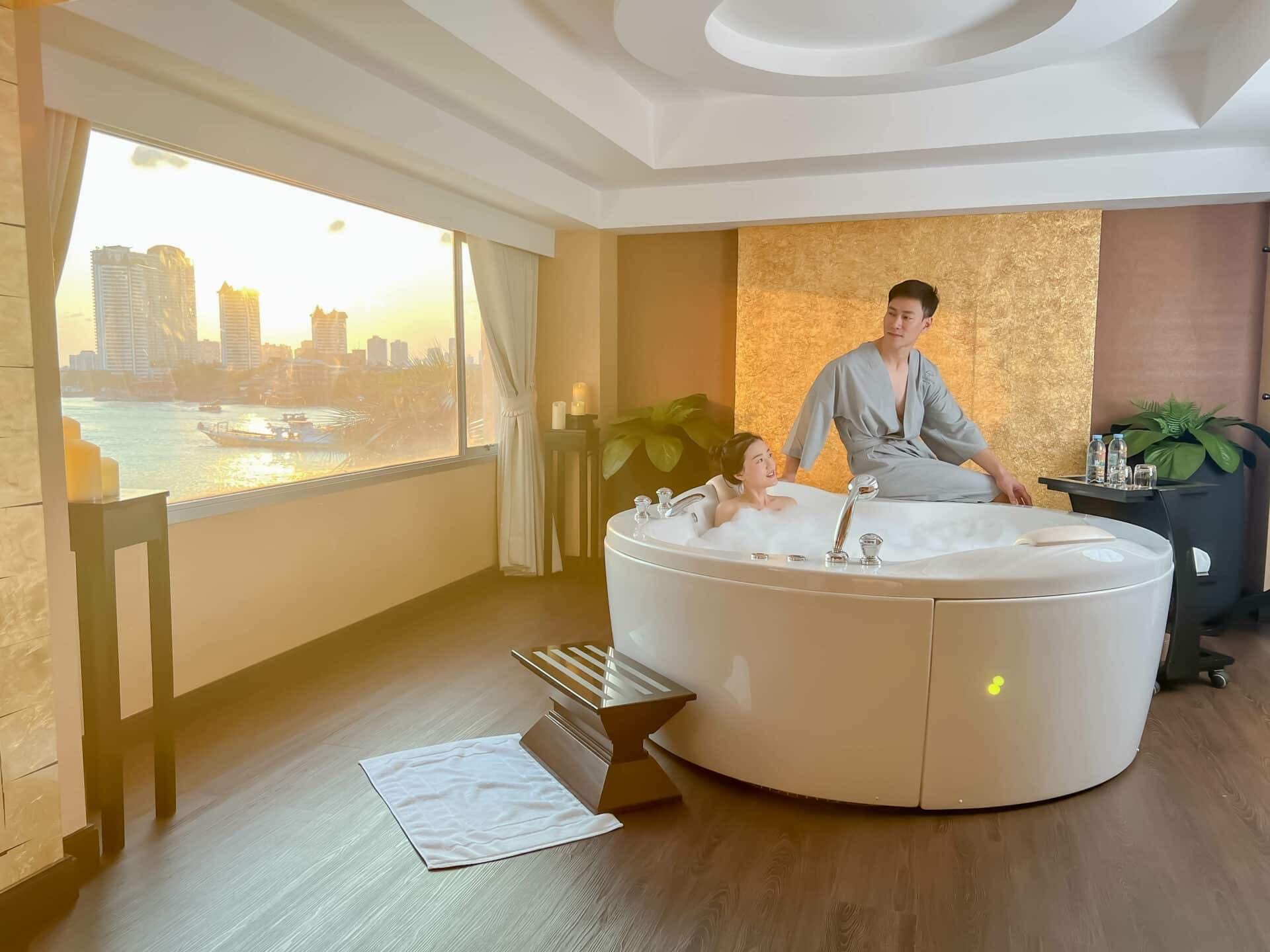
What you are buying is not a single treatment. It is a sequence and a room. The sequence usually runs scrub, steam or sauna, shower, oil massage, and a herbal compress or scalp treatment. The room is private, with its own shower and often its own bath. Tea and a light snack at the end are standard.
What happens in a half-day package
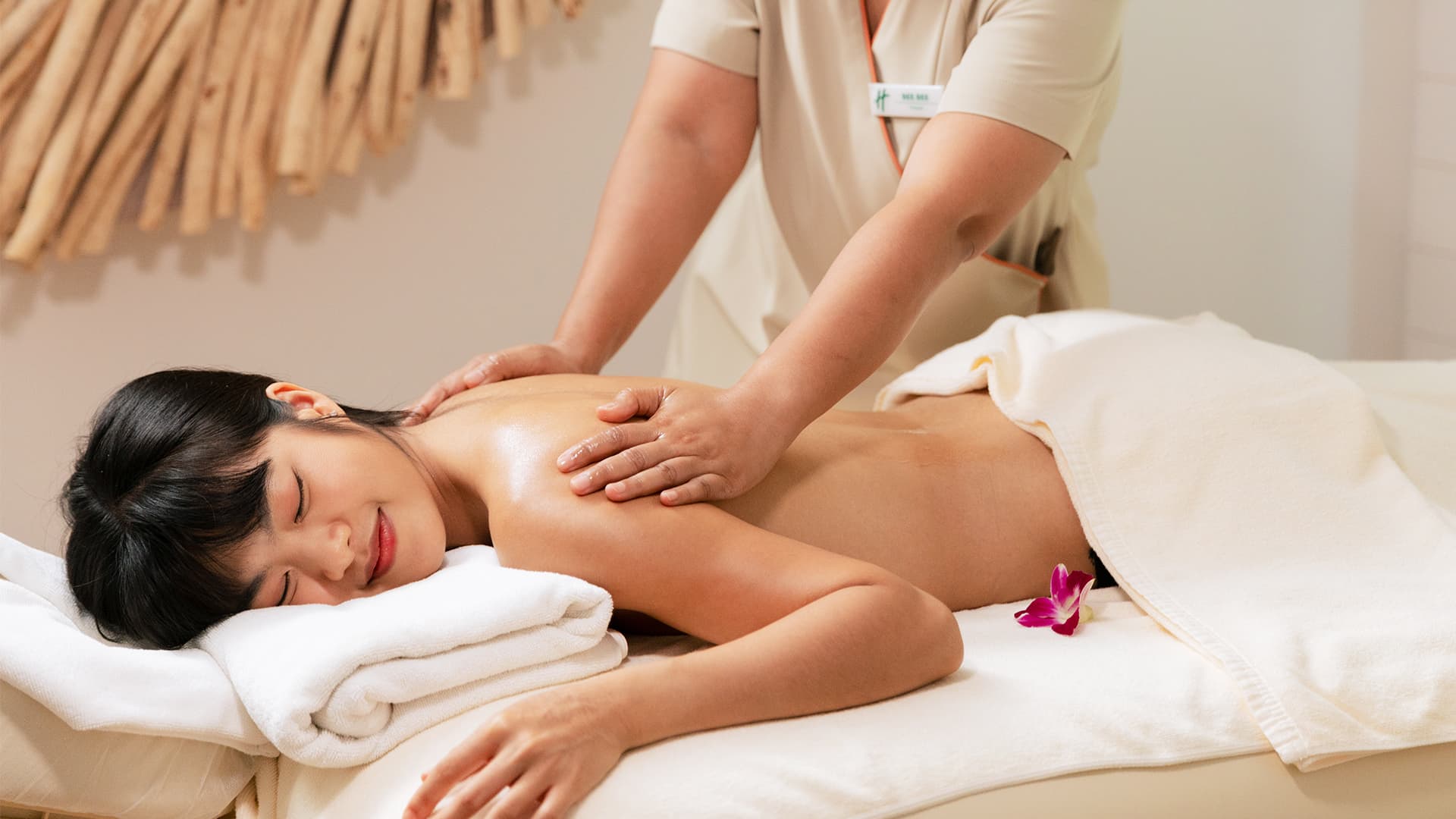
A typical three-hour package: foot wash and ginger tea on arrival, twenty-minute body scrub with tamarind or salt and lemongrass, twenty minutes in a steam room, sixty-minute aromatherapy oil massage, twenty-minute herbal compress on the back and legs, ten-minute scalp treatment, shower, and a final tea with fruit. The transitions matter as much as the treatments themselves. A good spa lets you settle for five minutes between each step rather than treating you as a conveyor belt.
What it costs
Mid-tier standalone day spas in Bangkok charge 1,800 to 3,500 baht for a two-to-three-hour package. Top independents and small luxury chains run 3,500 to 6,000. Five-star hotel spas start at 5,000 and run past 12,000 for the marquee half-day options. Phuket and Koh Samui resort spas typically add 30 to 60 percent over Bangkok rates. The sweet spot for most travellers is a 2,500 to 4,000 baht package at an established standalone spa with private rooms and proper steam.
How to read the menu
Skip pure single-treatment bookings; they are oil massages with extra packaging. The packages are where the value sits because they bundle in steam, scrub, and a private room you would not pay for separately. Be sceptical of "signature" treatments with proprietary names that obscure what is actually happening to your body. The classic Thai sequence of scrub, steam, oil, compress is hard to beat and most premium "signatures" are variants of it.
Avoid anything called "slimming" or "detox" that promises results no massage can deliver. Lymphatic drainage is real and pleasant; a 90-minute session melting two kilos is not.
How to spot a serious spa
Private rooms with their own shower. A separate steam or sauna room rather than a portable cabinet. Linens you would put on a hotel bed. Therapists who introduce themselves and walk you through the sequence before starting. A menu that tells you the duration of each step rather than just the total. Bookings taken seriously, with a confirmation call or LINE message the day before.
Skip venues that share a building with karaoke, that have rooms but no showers, or that quote prices only in English to foreigners. A real spa is happy to explain its pricing to anyone who asks.
Etiquette and timing
Arrive fifteen minutes early. Bring nothing valuable; lockers exist but are not safes. Tip 200 to 400 baht for a multi-hour package, or ten to fifteen percent at hotel rates. Plan to do nothing serious for the rest of the day. The whole point is to walk out softer than you walked in, and that softness is wasted on a 9pm work call.
More field guides.
- Guide · 4 min read
Traditional Thai Massage in Bangkok: A Practical Guide
How nuad phaen boran actually works, what a real session feels like, what to pay in Bangkok, and the small etiquette details that separate a good shop from a tourist trap.
- Guide · 4 min read
Oil and Aromatherapy Massage in Thailand: What to Expect
The relaxation default for most travellers in Thailand. How oil massage differs from Thai work, what blends mean, what it costs, and how to pick a shop that takes the craft seriously.
- Guide · 4 min read
Foot Massage and Reflexology in Thailand: The Honest Guide
The thirty-minute reset most travellers underuse. How Thai-style foot massage differs from Chinese reflexology, where to find the good shops, and why it pairs perfectly with a long walking day.
- Guide · 5 min read
Nuru Massage in Thailand: A Traveller's Honest Primer
What nuru actually is, how it sits inside the wider Thai massage-parlour landscape, the legal grey area to understand, and how to behave like an adult if you decide to go.


Quick answers.
Hotel spa or standalone day spa?
For most travellers, standalone. You get better technique, longer sequences, and lower prices. Pick a hotel spa when you are already staying there, when the property has a destination spa with its own reputation, or when you specifically want pool and gym access bundled in.
How early should I book?
Two to three days for popular standalone spas in Bangkok. A week or more for top hotel properties on weekends. Same-day bookings often work for weekday morning slots.
Can I do a spa day if I have skin sensitivities?
Yes. Tell the spa when booking. They can swap salt scrubs for cream-based exfoliants, switch oil blends to fragrance-free, and skip the herbal compress if you react to lemongrass or kaffir lime. Walk-in disclosure works too but reduces flexibility.
Is the steam room mandatory?
No. Skip it if you have low blood pressure, are pregnant, or simply do not enjoy heat. The package price stays the same and the time gets redistributed across other treatments.
What should I bring?
Almost nothing. The spa provides robe, slippers, towels, and shower amenities. Bring a hair tie if you have long hair, your own lip balm if you are particular, and a phone you are willing to leave in a locker.